Dorothee Haensch Articles
AI | 7 Sept 2026
What is Agentic AI and how can businesses use AI agents? Explore use cases, requirements, security and the Agentic AI Audit.
B2C | 1 Sept 2026
Stricter anti-greenwashing rules will apply from September 2026. Learn what marketing and e-commerce teams need to consider for claims, content, and AI.
B2C | B2B | 25 Aug 2026
How do you choose the right commerce platform? Discover 8 key criteria for selecting a scalable, future-ready e-commerce platform.
B2C | 6 Aug 2026
Learn how to choose the right CRM step by step—from defining your requirements to successful implementation.
Transformation | AI | 30 Jul 2026
Whether you're selling through an online shop, marketplace, print catalog, or sales app, product information must be accurate, consistent, and available across all channels. For many businesses, this has become a major challenge: product data is spread across multiple systems, processes have evolved over time, and every update requires manual effort. As businesses expand into new sales channels, add more languages, or grow their product portfolios, complexity increases significantly.
In addition, today's customers expect complete and reliable product information, regardless of where they interact with your brand. Inaccurate data, inconsistent descriptions, or missing information directly impact the customer experience, conversion rates, and ultimately business success.
A Product Information Management (PIM) system provides the foundation to address these challenges. It centralizes product information, standardizes processes, and ensures that every channel accesses the same reliable data source.
However, this is where the real challenge begins for many organizations: Which PIM system best fits your business requirements?
Choosing a PIM system should not be based solely on features or vendor rankings. The deciding factor is how well the solution aligns with your business processes, existing technology landscape, and long-term strategic goals. Implementing a PIM is not simply a software decision—it is a strategic investment in future-proof commerce and product experience management.
B2C | B2B | 22 Jul 2026
The AI Product Advisor transforms standard product search into an intelligent shopping experience that understands the target audience’s actual search intent and provides relevant product recommendations directly within the store.
B2C | 9 Jul 2026
Digital experiences should be easy for everyone to use—regardless of individual abilities or the devices they use. For businesses, however, achieving this is often a challenge. Websites and applications typically evolve over many years, with new features added and content continuously expanded.
AI | 25 Jun 2026
The Security Anomaly Agent detects anomalous behavior in Azure environments, correlates security events, and reduces alert overload through AI-powered threat detection.
B2C | 29 May 2026
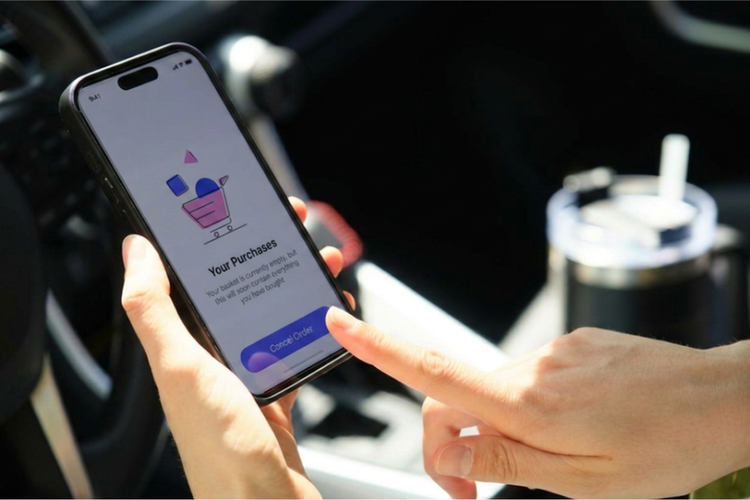
Starting June 19, 2026, the so-called electronic withdrawal button will become mandatory in e-commerce. In the future, consumers will be able to withdraw from contracts concluded online much more easily: e-commerce companies will be required to provide a digital withdrawal function via a button.The situation in Europe has also fundamentally changed. Since June 2025, the European Accessibility Act (EAA) and Germany’s Accessibility Strengthening Act (BFSG) have introduced binding requirements for digital accessibility. Companies that fail to comply face not only fines and legal action, but also reputational damage and revenue loss.